Why Hospital Cleaning Services Are Crucial for Patient Safety
The Link Between Cleanliness and Infection Control
Healthcare-associated infections (HAIs) remain one of the biggest risks in hospitals and clinics, affecting patients each year. Proper cleaning protocols are vital to prevent cross-contamination and the spread of pathogens such as MRSA or C. difficile.
Professional healthcare cleaning services use EPA-approved disinfectants and validated cleaning methods that target these high-risk bacteria and viruses.
How Professional Cleaning Supports a Safer Environment
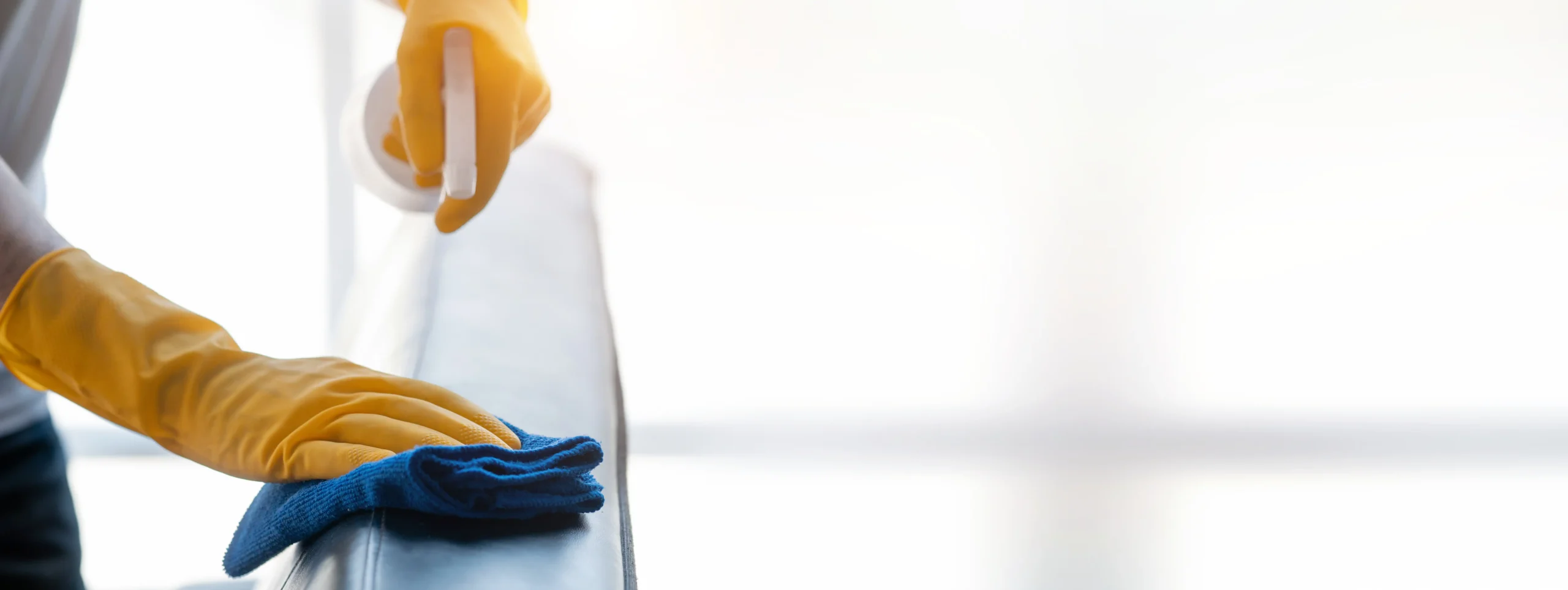
Beyond visible cleanliness, trained cleaning professionals follow CDC and OSHA guidelines to disinfect high-touch surfaces—door handles, bed rails, nurse stations—reducing infection risks and ensuring compliance with healthcare regulations.
Key Areas That Require Special Attention in Healthcare Cleaning
Patient Rooms and Operating Theaters
These are critical environments where sterilization cannot be compromised. Regular deep cleaning with hospital-grade disinfectants helps reduce microbial presence and prevent surgical site infections.
Waiting Areas, Restrooms, and High-Touch Surfaces
Public areas experience constant traffic, increasing the risk of germ transmission. High-touch surfaces like elevator buttons, chairs, and faucets should be cleaned multiple times per day following a strict checklist.
Waste Management and Biohazard Control
Proper segregation, labeling, and disposal of biohazardous waste are fundamental. Professional cleaning teams are trained to handle contaminated materials safely and in compliance with state and federal regulations.
Best Practices for Effective Healthcare Cleaning Services
Using Hospital-Grade Disinfectants and EPA-Approved Products
Always choose cleaning products registered by the Environmental Protection Agency (EPA). These ensure efficacy against a broad range of pathogens while being safe for clinical environments.
Implementing Proper Cleaning Schedules and Checklists
A structured cleaning plan helps maintain consistency. Daily, weekly, and monthly tasks should be clearly defined, ensuring no area is overlooked.
Quick Checklist Example:
- Disinfect high-touch surfaces every 2–4 hours
- Deep clean patient rooms after discharge
- Sanitize restrooms multiple times daily
- Replace mop heads and cloths after each use
Staff Training and Compliance with CDC Standards
Training is essential. Cleaning staff must understand infection control procedures, PPE use, and documentation practices that align with CDC and Joint Commission guidelines.
The Role of Professional Medical Cleaning Services
Ensuring Regulatory Compliance (OSHA, HIPAA, etc.)
A reputable cleaning provider ensures compliance with regulations protecting patient data, workplace safety, and environmental standards.
Minimizing Cross-Contamination Risks
Using color-coded tools, single-use materials, and defined cleaning sequences helps prevent cross-contamination between different hospital zones.
Supporting Overall Facility Reputation and Trust
Clean facilities enhance patient trust and satisfaction. They also reflect positively on hospital accreditation and public perception.
Choosing the Right Hospital Cleaning Services Provider
Key Qualities to Look for in a Cleaning Company
- Proven experience in medical cleaning services
- Compliance with CDC, OSHA, and state regulations
- Transparent quality control processes
- Trained and background-checked personnel
Importance of Experience in Healthcare Environments
Not all cleaning companies are suited for hospitals. Experience in healthcare means understanding sanitation protocols, patient privacy laws, and specialized cleaning requirements.
Questions to Ask Before Hiring
- What certifications do your cleaners hold?
- Do you follow EPA and CDC disinfection protocols?
- How do you ensure consistency in cleaning standards?
- Are your services available 24/7 for emergencies?
Why Let’s Clean NJ Is Your Trusted Partner in Healthcare Cleaning Services
Local Expertise Serving New Jersey Healthcare Facilities
Let’s Clean NJ has extensive experience serving hospitals, clinics, and medical offices, providing reliable healthcare cleaning services that meet the region’s highest standards.
Customized Cleaning Plans for Hospitals and Clinics
Every facility has unique needs. Whether it’s daily disinfection, emergency cleaning, or terminal cleaning, Let’s Clean NJ creates tailored programs aligned with your operation schedules.
Commitment to Safety, Reliability, and Compliance
The team prioritizes patient safety, regulatory compliance, and minimal disruption to medical staff. Their approach ensures a hygienic, safe, and welcoming environment for both patients and personnel.
Final Thoughts on Maintaining Hygiene in Healthcare Facilities
Ongoing Commitment to Patient and Staff Health
Cleanliness is an ongoing responsibility, not a one-time task. Partnering with trusted medical cleaning services helps maintain a culture of hygiene and accountability in every department.
The Long-Term Value of Professional Medical Cleaning Services
A well-maintained healthcare environment reduces infection risks, enhances staff morale, and protects your facility’s reputation for excellence.
FAQ – Hospital Cleaning Services
1. How often should hospital areas be cleaned?
High-traffic areas should be disinfected several times daily, while patient rooms and surgical zones require daily and post-procedure cleaning.
2. Are the cleaning products safe for patients with allergies or sensitivities?
Yes. Professional cleaning companies use hospital-grade, non-toxic, and EPA-approved disinfectants suitable for sensitive environments.
3. What’s the difference between healthcare and standard commercial cleaning?
Healthcare cleaning involves strict disinfection standards, biohazard handling, and compliance with medical regulations—far beyond typical office cleaning.